September 28, 2026
A roof is designed to protect a property from rain, wind, sunlight, temperature changes, and other outdoor conditions. However, even a well-installed roofing system can experience premature deterioration when certain problems are allowed to continue. Some causes of roof damage are obvious, while others develop gradually and may not become noticeable until they begin affecting the roof's performance.
Homeowners can help preserve their roofs by understanding the conditions and maintenance habits that contribute to unnecessary wear. Recognizing these issues early can make it easier to address developing problems before they become more extensive. Regular inspections, appropriate maintenance, and timely repairs can all contribute to keeping a roofing system in better condition for longer.
1. Ignore Routine Roof Maintenance
Routine maintenance plays an important role in preserving the condition of a roofing system. Small concerns can develop into more significant problems when they are overlooked for extended periods. Loose materials, damaged flashing, deteriorating sealants, and areas where water collects can all become more troublesome when they are not addressed promptly.
A professional roofing company can examine areas that may be difficult for homeowners to see from the ground. An inspection can reveal signs of deterioration that are not yet causing obvious leaks inside the property. Addressing these concerns while they are still manageable may help limit unnecessary damage and preserve the overall performance of the roof.
Maintenance does not necessarily mean waiting until something appears to be wrong. Proactive attention gives homeowners an opportunity to identify potential trouble before severe weather or continued exposure makes the problem worse. Keeping track of the roof's condition can also make it easier to recognize changes over time.
2. Allow Debris to Accumulate
Leaves, branches, dirt, and other debris can collect on a roof and create conditions that contribute to deterioration. Organic material can retain moisture against roofing materials, while heavier debris can place unnecessary stress on vulnerable areas. Debris can also conceal damage that would otherwise be easier to identify during an inspection.
Keeping the roof and surrounding drainage areas reasonably clear can help water move away from the structure as intended. A roofing company can evaluate whether accumulated debris has caused staining, moisture retention, damaged materials, or other concerns. Professional assistance can be particularly useful when debris is located in areas that are difficult or unsafe to access.
Trees near a home deserve attention as well. Overhanging branches can drop debris onto the roof and may scrape against roofing materials during windy conditions. Removing problematic branches when appropriate can reduce the amount of debris reaching the roof while also limiting the possibility of physical damage during storms.
3. Neglect Gutters and Drainage
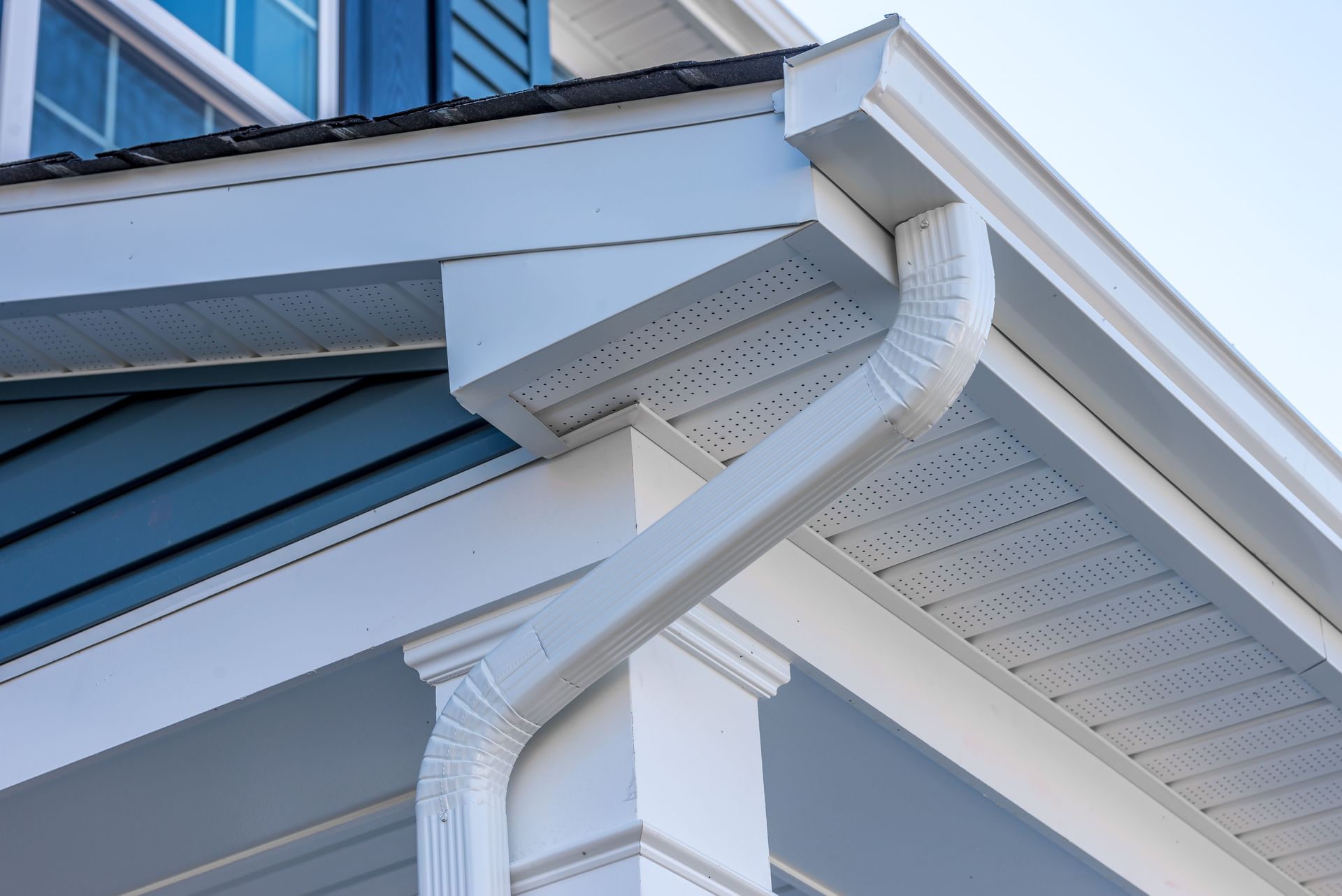
A roof depends on proper drainage to move precipitation away from the structure. When gutters or downspouts become clogged, water may remain near the roofline instead of flowing away efficiently. Persistent moisture can contribute to deterioration around roofing materials, fascia, soffits, and other connected components.
Water management problems can become especially concerning when they continue unnoticed. Overflowing gutters may send water against exterior walls or allow moisture to collect near the foundation. Keeping drainage components clear and ensuring that water has a suitable path away from the property can help protect the entire exterior system.
Homeowners should also pay attention to signs that gutters are no longer functioning properly. Sagging sections, persistent overflow, separated connections, and water marks can indicate that maintenance or repairs are needed. A roofing company may be able to identify whether drainage problems are contributing to conditions that could affect the roof.
4. Delay Repairs After Storms
Severe weather can leave behind damage that is not immediately obvious. Strong winds may loosen roofing materials, falling branches can create impact damage, and heavy precipitation can expose vulnerable areas. Even when there is no visible leak inside the home, a roof can still have exterior damage that deserves attention.
Post-storm inspections can help identify concerns before they become more extensive. A roofing company can assess exposed materials, flashing, vents, and other roof components for signs of damage. Prompt evaluation is particularly useful when severe weather has affected the surrounding area or when something unusual is noticed after a storm.
Delaying a repair can give moisture and weather exposure more time to affect the damaged area. What begins as a relatively contained concern may eventually involve underlying materials or interior spaces. Addressing storm-related problems promptly can therefore help homeowners avoid allowing a small issue to develop into a broader roofing concern.
5. Overlook Poor Ventilation
Proper attic ventilation helps manage heat and moisture beneath the roof. When ventilation is inadequate, excessive heat can accumulate in the attic during warm weather, while moisture may remain trapped in colder conditions. Over time, these conditions can contribute to deterioration involving roofing materials and other parts of the building envelope.
Moisture is particularly important because it can affect more than the visible roof surface. Persistent humidity in an attic may contribute to problems involving insulation, wood components, and other materials. A roofing company can assess ventilation conditions and determine whether airflow appears appropriate for the structure.
Homeowners may notice warning signs such as unusually warm attic conditions, moisture buildup, damaged insulation, or changes in the appearance of roof materials. These symptoms can have multiple potential causes, so professional evaluation is useful before assuming that ventilation is the only issue.
6. Choose Improper Installation or Repairs
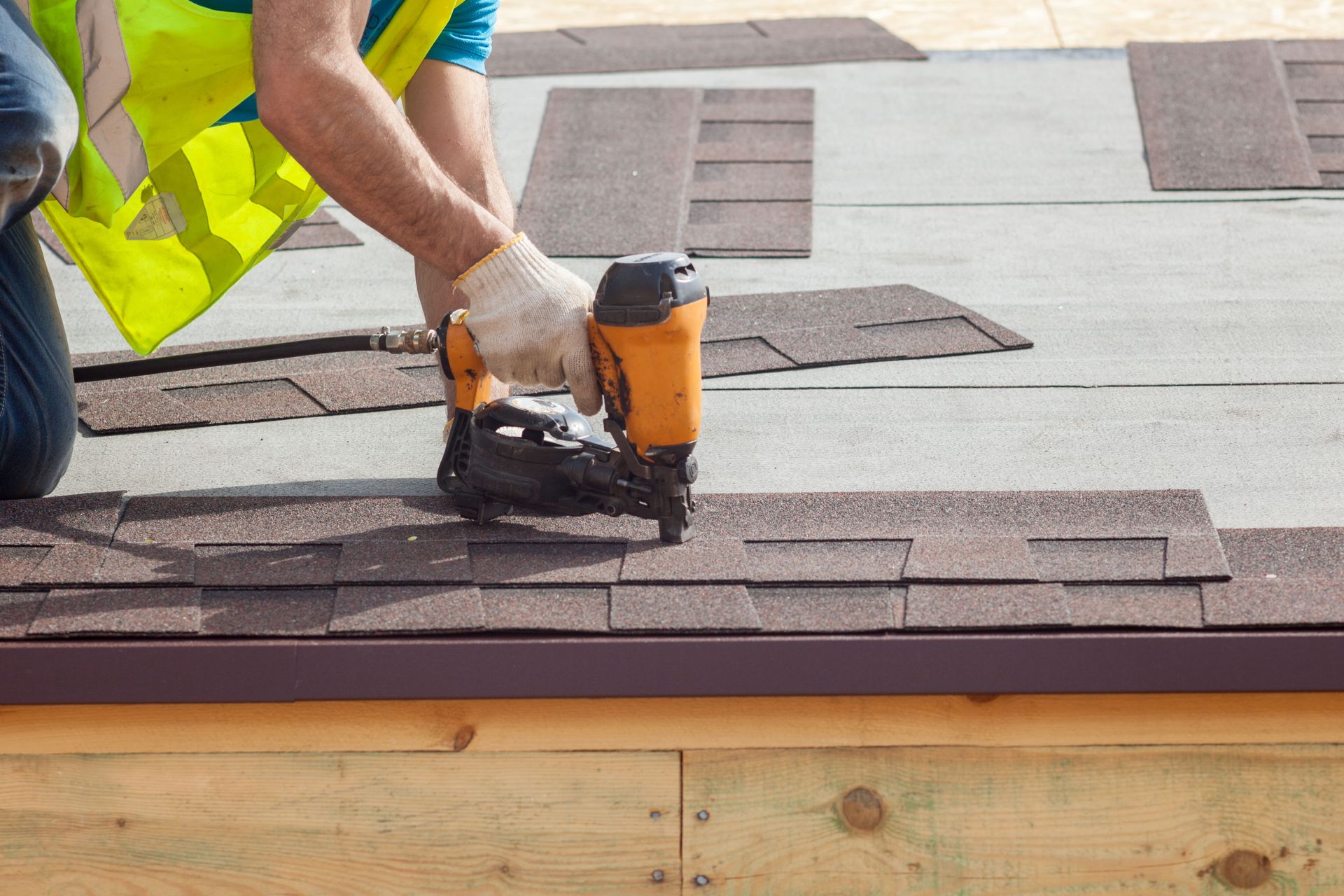
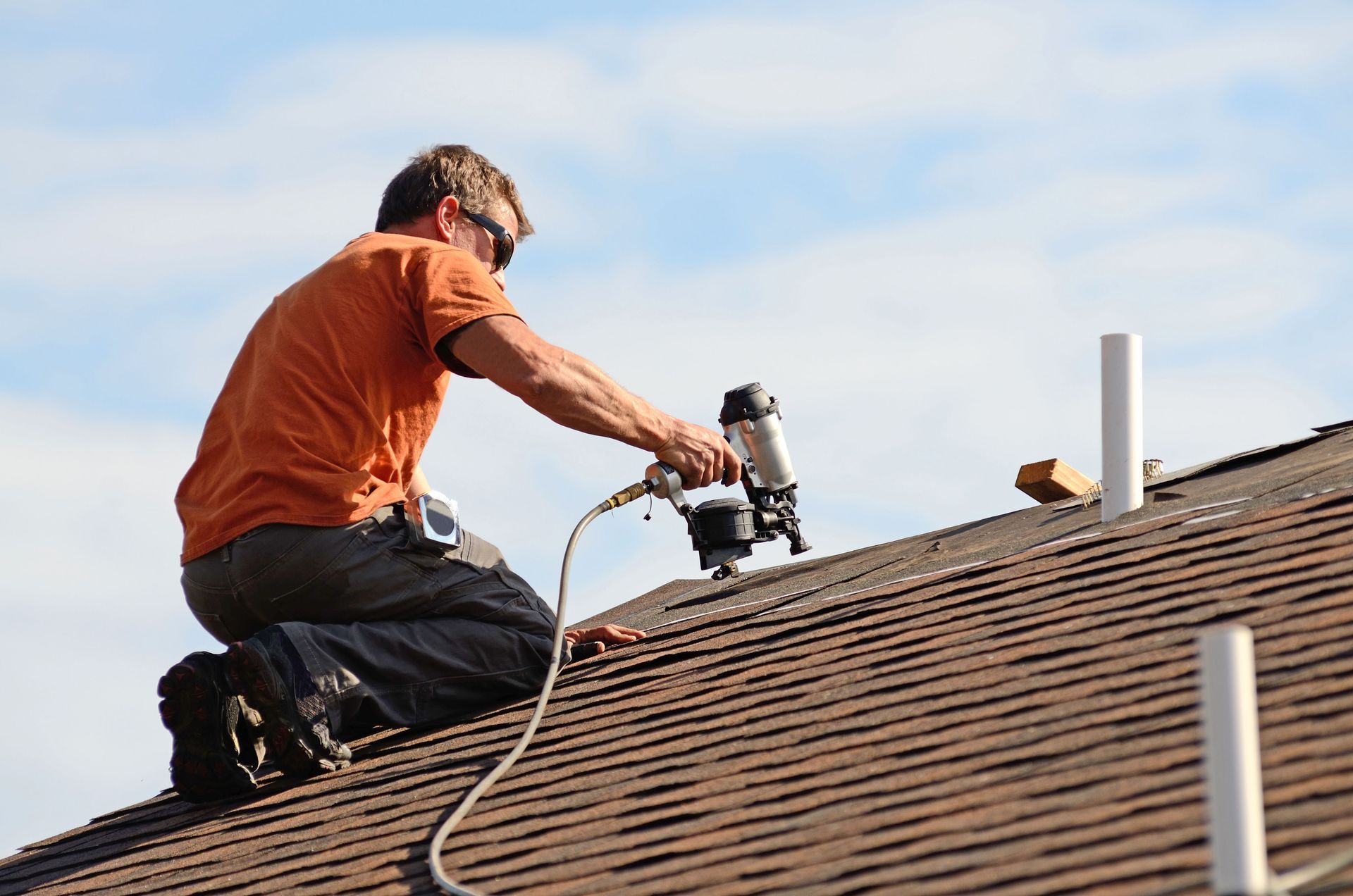
The quality of installation can have a significant influence on how a roofing system performs over time. Materials may be durable, but improper installation can create vulnerabilities around seams, flashing, penetrations, edges, and other areas. Problems involving workmanship may not always become apparent immediately.
Repairs also need to be completed appropriately for the existing roofing system. Using incompatible materials or applying an unsuitable repair method can create additional concerns rather than resolving the original problem. A qualified roofing company can evaluate the existing system and determine how repairs should be approached.
According to HomeGuide, a roof replacement can take anywhere from one to eight days depending on factors such as the roofing material, roof size, pitch, and overall complexity. The duration of a project can vary considerably because every property presents different conditions. Proper planning and installation remain important regardless of how quickly a project can be completed.
Homeowners should also consider whether previous repairs appear consistent with the rest of the roof. Improvised patches, deteriorated sealants, or visibly mismatched materials can be signs that an older repair deserves closer inspection. Addressing workmanship concerns can help prevent repeated problems and protect the investment represented by the entire roofing system.
A roofing system is exposed to demanding conditions throughout its service life, but homeowners can take steps to limit unnecessary deterioration. Routine maintenance, clear drainage, prompt storm inspections, appropriate ventilation, and quality workmanship can all help protect the roof from avoidable damage. Paying attention to these areas can also make developing concerns easier to identify before they affect larger portions of the property.
When roofing problems are noticed, delaying action can make the eventual repair more complicated. A professional assessment can help determine the condition of the existing system and identify practical maintenance or repair needs. Protect the roof over your property by scheduling an inspection with Lastime Exteriors and taking action before minor concerns become major problems.