September 8, 2026
Choosing a new roof involves far more than picking out an attractive shingle color that complements your siding. Many homeowners focus exclusively on surface cosmetics, completely overlooking critical structural components that determine long-term durability and protection. Finding the best roofing companies ensures you have an expert guide to navigate these essential structural elements before installation begins. According to HomeGuide, installing a new roof can raise a home's overall value and yield a return on investment between 60% and 85%, depending on the specific roofing material selected. Investing in higher-tier, overlooked roofing features protects your property against severe weather while drastically improving long-term efficiency and structural integrity.
1. Venturing Into Advanced Attic Ventilation
Preventing Heat Buildup in Warm Months
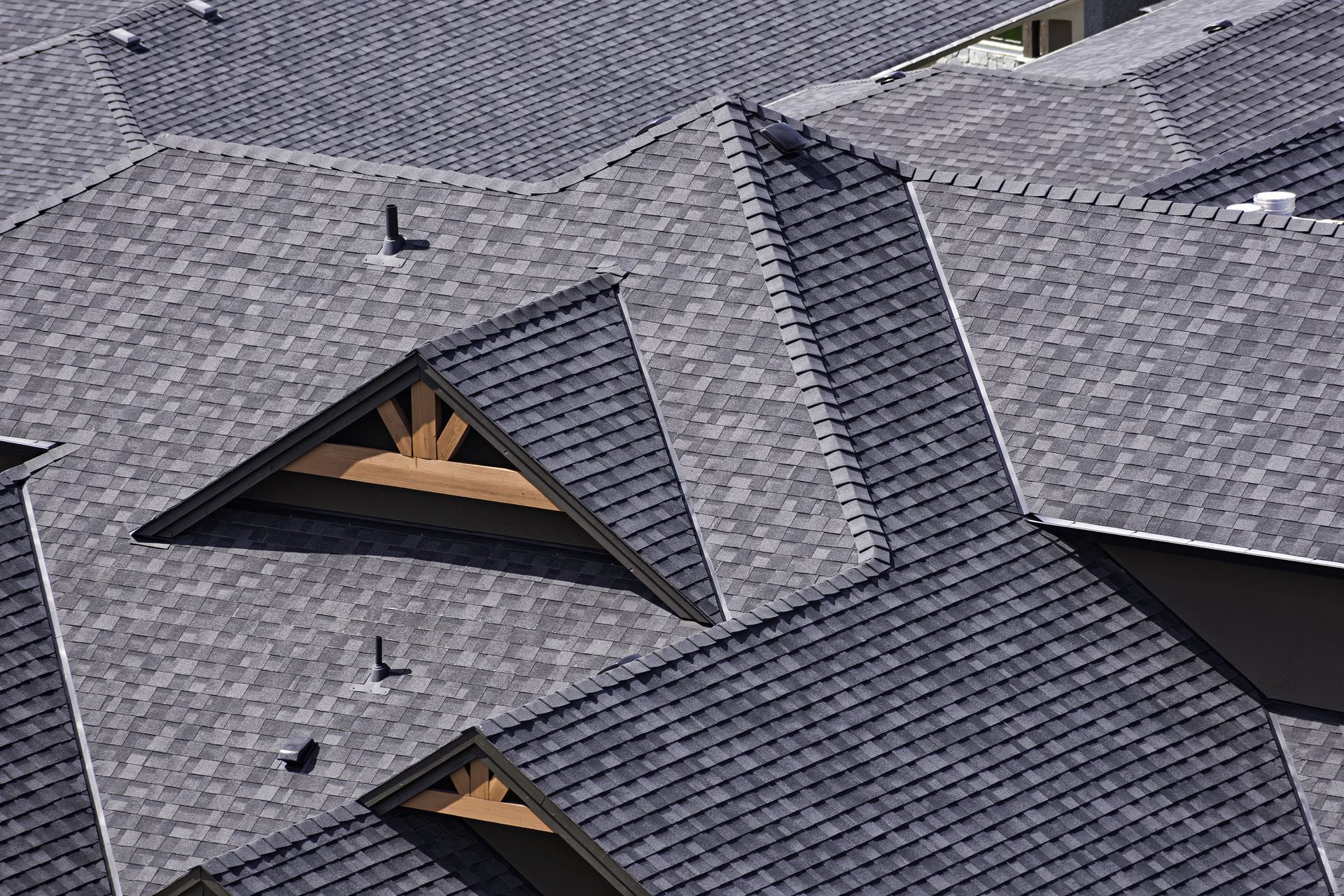
Proper attic ventilation is essential for maintaining a stable indoor temperature and preserving the structural health of your roof during hot seasons. Solar radiation converts your attic into an oven when trapped heat has no escape route. Balanced ventilation systems pair ridge vents at the peak of the roof with soffit vents along the eaves to draw cooler air in from below while allowing superheated air to escape above. This continuous airflow lowers cooling costs by easing the burden on your HVAC unit and prevents asphalt shingles from baking from the underside, which shortens their overall lifespan.
Eliminating Moisture Accumulation in Cold Months
In cold weather, attic ventilation plays an equally critical role by managing internal moisture generated by everyday household activities like cooking, showering, and laundry. Warm, humid air naturally rises into the attic space, where it hits cold roof decking and condenses into liquid water if ventilation is inadequate. Over time, this trapped moisture promotes mold growth, rots wood framing, and weakens the roof deck. Furthermore, proper attic airflow maintains a uniform roof surface temperature, preventing snow from melting and refreezing at the eaves to form dangerous ice dams. Top contractors listed among the best roofing companies always calculate proper ventilation ratios before installation to safeguard your home year-round.
2. Guarding Against Water With Heavy-Duty Underlayment
Upgrading From Traditional Felt to Synthetic Options
Roofing underlayment serves as a vital secondary barrier between your shingles and your home’s wooden deck. Traditional organic felt paper was the industry standard for decades, but modern synthetic polymer underlayments offer vastly superior performance. Synthetic underlayment is engineered from woven polypropylene or polyethylene, making it virtually tear-proof, highly water-resistant, and significantly lighter. Unlike traditional felt paper, which can absorb moisture, wrinkle, and degrade under sunlight, high-performance synthetic layers withstand high UV exposure and stay lay-flat during installation, providing an uninterrupted protective layer beneath your shingles.
Installing Ice and Water Shields in High-Risk Zones
In addition to synthetic underlayment across the main expanses, vulnerable sections of your roof require specialized self-adhering membranes known as ice and water shields. These rubberized asphalt membranes stick directly to the wooden roof deck in areas prone to leaks, such as valleys, eaves, rake edges, and perimeter regions surrounding chimneys and skylights. The material seals tightly around nail penetrations, forming a waterproof gasket that prevents wind-driven rain or backed-up water from seeping into your framing. Skilled installers at the best roofing companies prioritize full underlayment protection to prevent hidden leaks that can cause thousands of dollars in structural damage over time.
3. Fortifying Vulnerabilities Using High-Grade Flashing
Replacing Metal Flashings During Roof Overhauls
Metal flashing is installed at joints and intersections to direct water away from critical leak zones, but it is frequently neglected during partial roof repairs or budget-focused installations. Reusing old step flashing or valley flashing during a roof replacement is a common mistake that severely compromises the system's longevity. Choosing durable, high-grade metals—such as heavy-gauge aluminum, stainless steel, or thick copper—ensures that the flashing outlasts the shingles surrounding it. High-grade metal withstands extreme expansion and contraction without cracking, rusting, or pulling away from adjacent surfaces.
Sealing Chimneys, Skylights, and Wall Junctions Correctly
Proper installation techniques are just as vital as the quality of the metal itself, particularly around vertical penetrations like chimneys, skylights, and dormer walls. Counter-flashing must be carefully embedded directly into masonry mortar joints or tucked beneath exterior wall cladding rather than simply relying on surface-applied caulk, which deteriorates under UV light. When properly integrated, flashing layers overlap in a shingle-like pattern that forces water to flow naturally down and off the roof. Homeowners should rely on the best roofing companies to execute complex flashing details that require precise craftsmanship, ensuring water intrusion is stopped at every seam.
4. Resisting Severe Storms Through Upgraded Drip Edges
Directing Water Safely Away From Fascia Boards
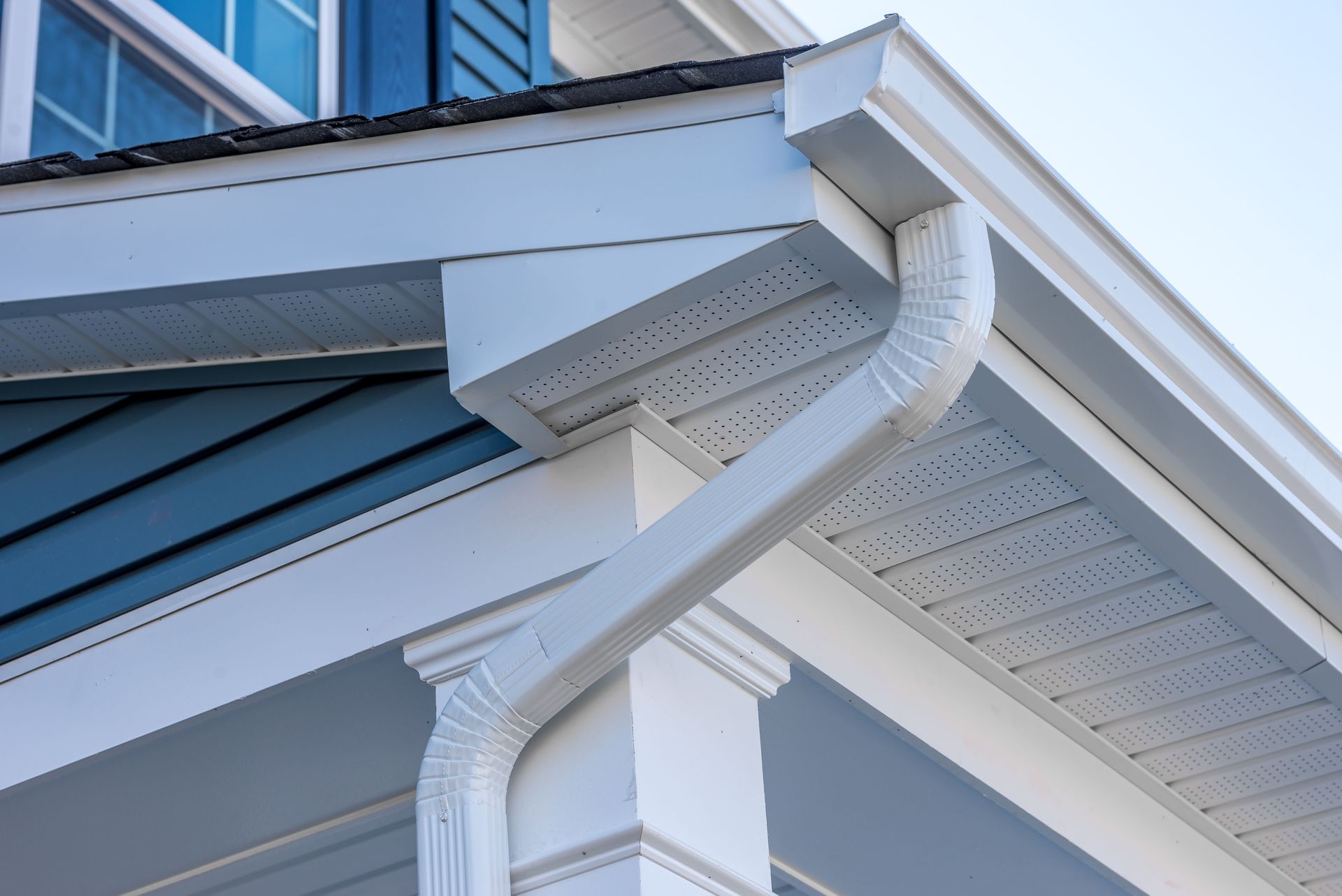
A drip edge is an L-shaped or T-shaped metal strip installed along the outer borders of your roof deck. Its primary functional role is to push water away from the roof edge and guide it directly into your gutter system rather than allowing it to run down the fascia board. Without a properly installed drip edge, water naturally clings to the underside of shingles due to surface tension, seeping back toward the wooden fascia and soffit areas. Over time, this constant dampness leads to wood rot, peeling paint, and ruined gutter supports that can ruin your home's exterior trim.
Securing Perimeter Edges Against High Winds
Beyond water diversion, heavy-duty drip edges act as structural anchors for the edges of your roofing material during high-wind storms. The metal flange locks down the lower edge of the underlayment and starter shingles, creating a sealed perimeter that stops wind-driven rain from blowing back under the first course of shingles. This extra layer of defense reinforces the outer roof borders against uplift pressure, reducing the likelihood that a severe storm will strip shingles away from the edges. Reliable contractors representing the best roofing companies never skip installing drip edges to cut material costs, knowing how critical they are to storm protection.
5. Selecting High-Performance Starter Shingles
Anchoring the Initial Layer Against Wind Uplift
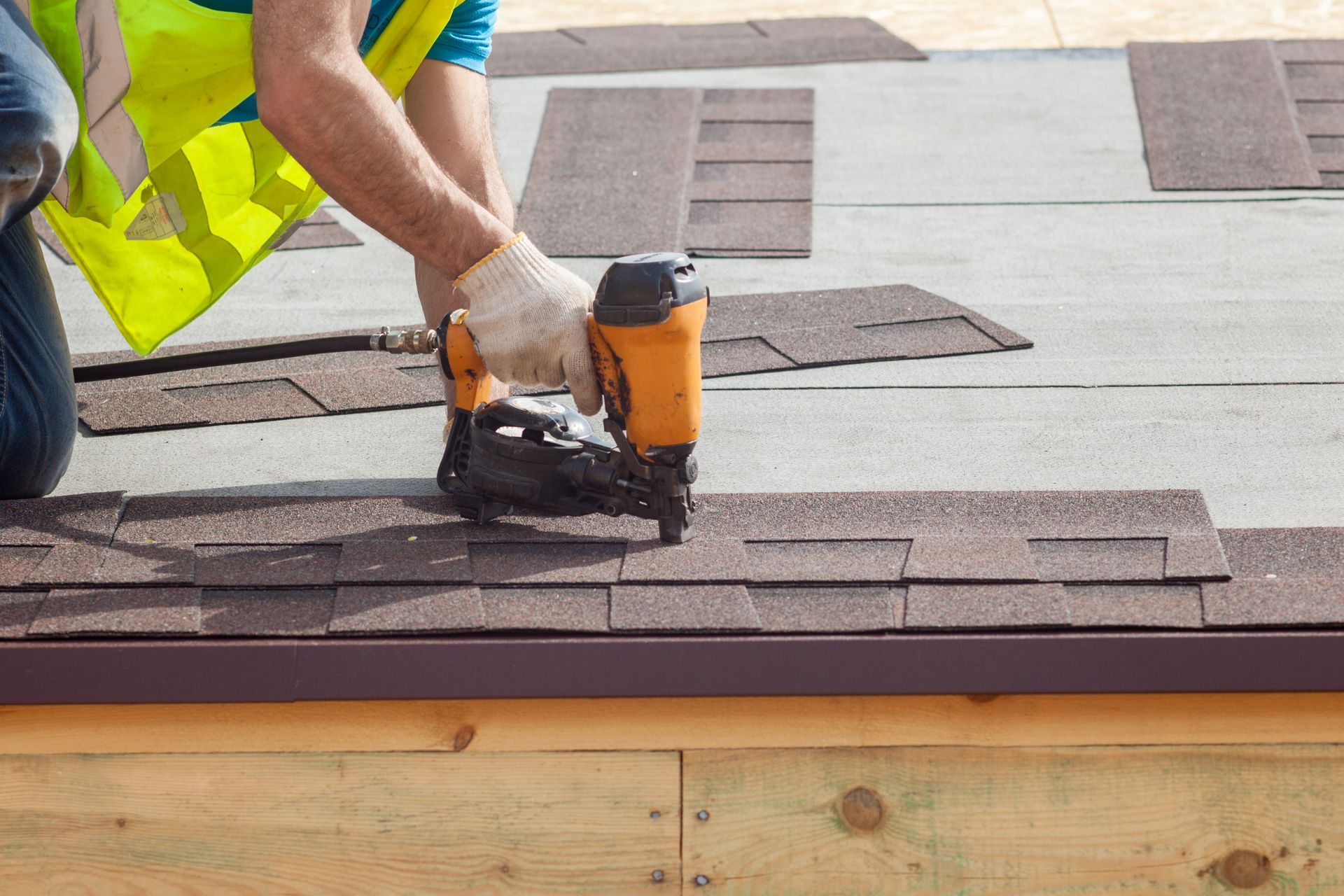
Starter shingles are specialized, narrow rows of roofing material installed directly along the eaves and rake edges before the main body of shingles is applied. Historically, contractors often improvised by cutting up standard field shingles to save money, but purpose-built starter shingles feature aggressive, factory-applied sealant strips strategically placed at the very edge of the roofline. When heat activates this adhesive, it locks down the bottom edges of your first shingle course. This prevents gale-force winds from catching the underside of the lower shingles, an issue that can trigger a domino effect of wind damage across the entire roof plane.
Creating Straight Lines and Watertight Seals
In addition to wind resistance, manufactured starter shingles provide a uniform foundation that ensures watertight seams across the bottom perimeter of your roof. Standard shingles feature cutouts and joints that leave vulnerable gaps if laid directly onto the underlayment. Starter strips fill these gaps with an unbroken layer of asphalt, sealing off potential water paths while giving roofers a perfectly straight reference line to align every subsequent course of shingles. Standard warranties offered by the best roofing companies often require complete starter strip systems for maximum coverage, protecting your investment for decades to come.
Upgrading attic ventilation, underlayment, metal flashing, drip edges, and starter shingles creates a resilient roofing system that stands the test of time. Looking beyond basic surface aesthetics guarantees superior energy performance, storm resilience, and financial return. Partnering with the
best roofing companies ensures these critical features are installed flawlessly according to manufacturer specifications. Ready to upgrade your home with a roof built to last? Contact Lastime Exteriors today to schedule your comprehensive roof evaluation with our expert team. Let us protect your investment with high-performance roofing features tailored to your home.